A military move weight allowance sets how much household property a service member may ship during a PCS. Professional gear may follow separate rules when it is approved and listed correctly. Rank, dependents, orders, move type, and branch rules can change the allowance. Early sorting and clear labels help prevent avoidable problems.
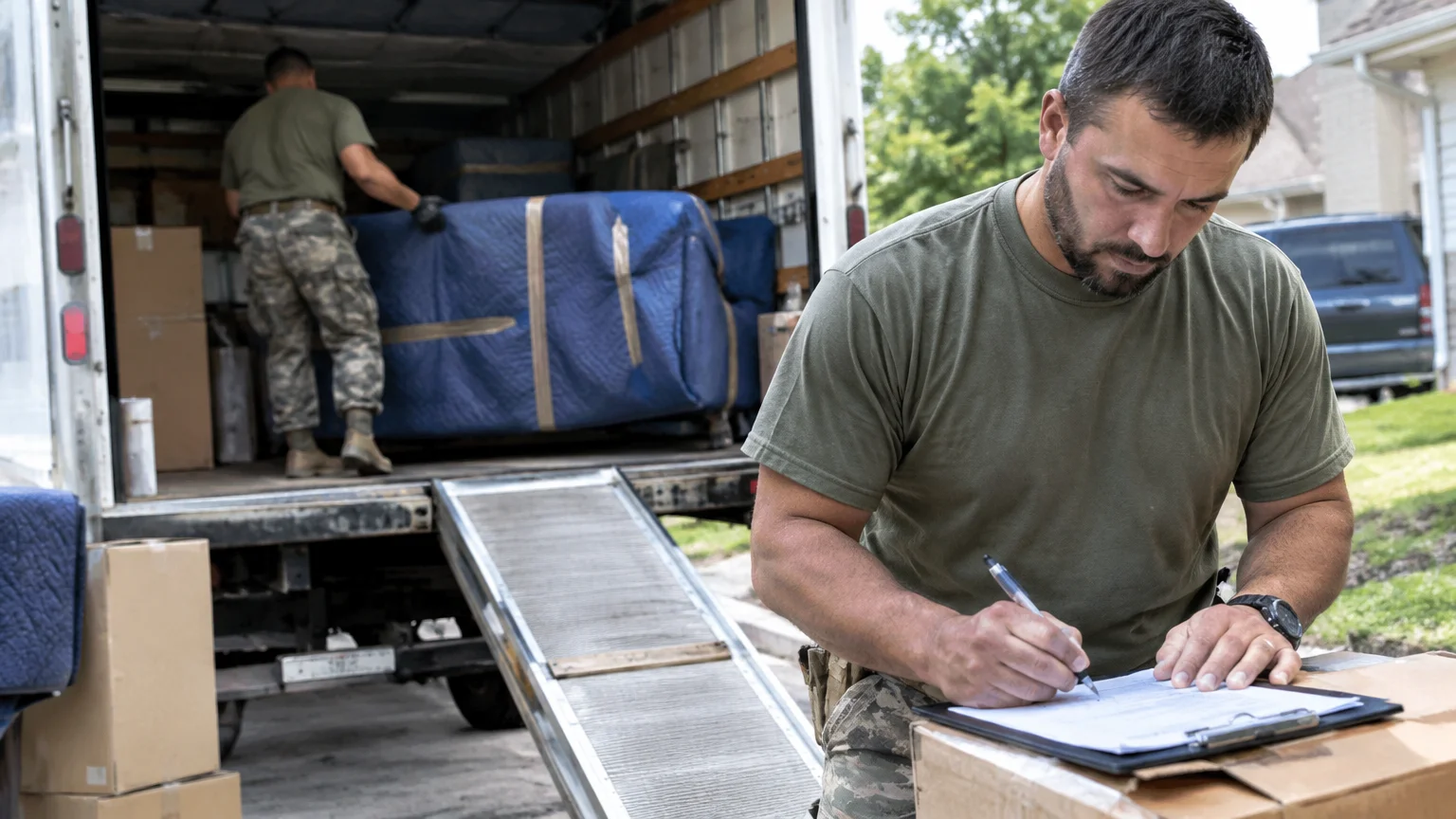
Moving during military service can feel rushed. A family may handle orders, housing, schools, work, and travel at the same time. The shipment adds more work. Each item must be packed, weighed, listed, and moved under rules that differ from a normal household move.
Youngstown Movers helps Youngstown families prepare for careful packing, loading, and transport. The company can also help separate household goods from professional gear before moving day. This guide explains the main points in simple terms. The transportation office and official military guidance remain the final sources for each shipment.
Table of Contents
- What is the military move weight allowance?
- What counts as professional gear during a military move?
- How much professional gear can a service member claim?
- What items count against the household goods allowance?
- How does a PCS weight allowance work?
- What happens if a military shipment exceeds the weight allowance?
- How should you prepare professional gear before packing?
- How does a personally procured move affect weight allowances?
- How can you avoid mistakes with military move weight limits?
- What should you do before scheduling a military move?
What is the military move weight allowance?
A military move weight allowance is the approved weight of household goods a service member may ship under move orders. It is not based only on the size of the home. Military rules and the details of the assignment set the allowance.
How household goods weight limits are determined
The allowance comes from current military guidance and the service member’s orders. Someone moving alone may have a different limit than someone moving with a family. A permanent change of station, or PCS, may also follow different rules from temporary duty or another assignment.
The allowance covers household goods. These are personal items used in a home. They may include furniture, clothing, kitchen items, books, toys, and normal home equipment. Professional gear may receive separate treatment when it is approved and clearly recorded.
The official Defense Travel Management Office household goods guidance explains that service members should review their orders and move instructions before shipping property. The transportation office can confirm the current allowance for a specific move.
Why rank, dependents, and move type matter
Rank and dependent status may affect the approved household goods limit. The destination, type of orders, and move plan may matter too. A government-arranged move may follow different steps than a personally procured move, or PPM.
A service member should not use a friend’s old move as a rule. Start with the current orders. Check the destination, shipment type, and instructions from the transportation office. Youngstown Movers can help Youngstown families sort belongings before the packing team arrives.
What counts as professional gear during a military move?
Professional gear is work equipment a service member needs for official duties. It is often called pro gear. It is separate from normal household property only when it meets current military rules and has the needed approval or records.
Examples of approved professional gear
Examples may include special tools, field equipment, protective equipment, technical books, and other items tied to a military job. The exact items depend on the branch, role, orders, and current guidance. An item is not pro gear just because it can be useful at work.
A tool needed for a military specialty may qualify. A common tool used around the home may not. The item’s purpose, official use, and link to the service member’s duties often matter.
Ask the transportation office before placing unsure items in the pro gear group. This is important for costly equipment, duplicate tools, sporting goods, and items used for both work and personal tasks. A clear answer before packing is safer than trying to fix a mixed shipment later.
How pro gear differs from household goods
Household goods support daily life at home. Professional gear supports official work. A laptop used for personal tasks should not be marked as pro gear without clear approval. A special work kit may qualify when the service member’s role requires it.
Professional gear should have its own inventory. Do not mix it into boxes marked only as household goods. Separate labels and records make the shipment easier to check. They also help explain why certain items belong in that group.
How much professional gear can a service member claim?
The amount of professional gear a service member can claim depends on branch rules, job duties, orders, and approval. There is no single limit for every service member. The transportation office should confirm the current rule before packing begins.
Branch-specific and authorization-based limits
Different branches and military jobs may use different steps. Some roles need large equipment sets. Others need very little special gear. Review the current instructions for the branch and assignment instead of using an old list from another move.
The allowance may also depend on whether the gear is listed in the orders or approved by the right office. A coworker’s verbal advice may not be enough. Written approval is safer, especially for heavy, valuable, or unusual gear.
The Military OneSource moving resources can help service members find planning support and current moving information. The transportation office remains the best source for the exact allowance.
When pro gear must be declared separately
Professional gear should be listed separately when the move paperwork asks for it. Identify the gear before the packers arrive. Waiting until a crew finds mixed items can cause confusion and lead to poor records.
Make a separate list for each group of gear. Use plain words. Include the number of pieces, general type, and condition. Photos can show what was present before packing. Receipts or issue records may also help show ownership and work use.
What items count against the household goods allowance?
Most personal property in the home counts against the household goods allowance. This includes furniture, clothing, appliances, decorations, books, dishes, children’s items, and normal household supplies. The shipment record, not the box count alone, determines total weight.
Common items that are treated as household goods
A couch, mattress, dining set, television, bicycle, and kitchen mixer are common household goods. Seasonal decorations, personal papers, hobby supplies, and most garage items usually belong in this group too. Assume an item is household property unless official guidance says otherwise.
Some items may seem connected to work but still count as household goods. A personal camera, home printer, camping stove, or common tool may fall into this group. The item’s label or possible use does not decide its category by itself.
A safe plan is to make three groups: ordinary household goods, possible pro gear, and items that will not move. The transportation office can review the unsure group before packing starts.
Items that may be excluded or handled differently
Some property may be excluded, restricted, or handled through special steps. Examples may include vehicles, animals, plants, firearms, chemicals, fuel, perishable food, and dangerous goods. A moving crew may also refuse items that cannot be carried safely.
Do not put hazardous materials into a normal moving box. Paint, propane cylinders, ammunition, cleaning chemicals, and similar items need special guidance. The Federal Motor Carrier Safety Administration household goods guidance explains general consumer moving rules, but military orders may add more requirements.
How does a PCS weight allowance work?
A PCS weight allowance applies to an approved permanent change of station move. The move may include packing, pickup, storage, transport, delivery, and unpacking. The approved weight applies to the shipment, not simply to the size of the home.
What a permanent change of station move includes
A PCS move begins with official orders and transportation planning. The service member usually completes counseling, receives or selects moving arrangements, and prepares the home for the crew. The moving company then packs approved items, loads them, and records shipment details.
Some moves include temporary storage. Others use direct delivery to a new home. A shipment may also be divided when some items travel separately or stay in storage. Read all paperwork closely and ask questions before signing.
Youngstown Movers can help Youngstown residents with packing, furniture protection, loading, and transport. A professional moving team can reduce lifting risks. It cannot replace military approval for the weight allowance or pro gear.
How shipment weight is measured and recorded
Shipment weight comes from official weighing steps. Keep copies of weight tickets, inventories, and delivery papers. If the shipment is divided, make sure each part is recorded clearly.
Boxes and furniture should remain easy to identify from packing through delivery. Photos of valuable items and labeled pro gear can help if a record needs review. Report missing or damaged property through the proper claim process.
What happens if a military shipment exceeds the weight allowance?
An overweight shipment may make the service member responsible for some transport costs or other required action. The result depends on the orders, move type, official weight record, and current military rules. Do not guess or wait too long before asking for help.
How excess costs may be calculated
Responsibility may depend on the weight above the approved limit, the distance, the shipment type, and the rate used under the move program. The transportation office or official notice should explain the calculation. A moving company cannot decide the military allowance.
Compare the notice with the approved orders and weight tickets. If the weight seems wrong, ask how it was measured and what review process applies. Keeping every document makes that talk easier.
Steps to take after receiving an overweight notice
First, read the notice carefully. Next, gather orders, inventories, weight tickets, pro gear records, and receipts. Then contact the transportation office or move counselor for an explanation.
Do not throw away records or sign a correction you do not understand. If an item was placed in the household goods group by mistake, supporting proof may help. A mover can explain packing records, but military officials decide whether the shipment meets the allowance.
How should you prepare professional gear before packing?
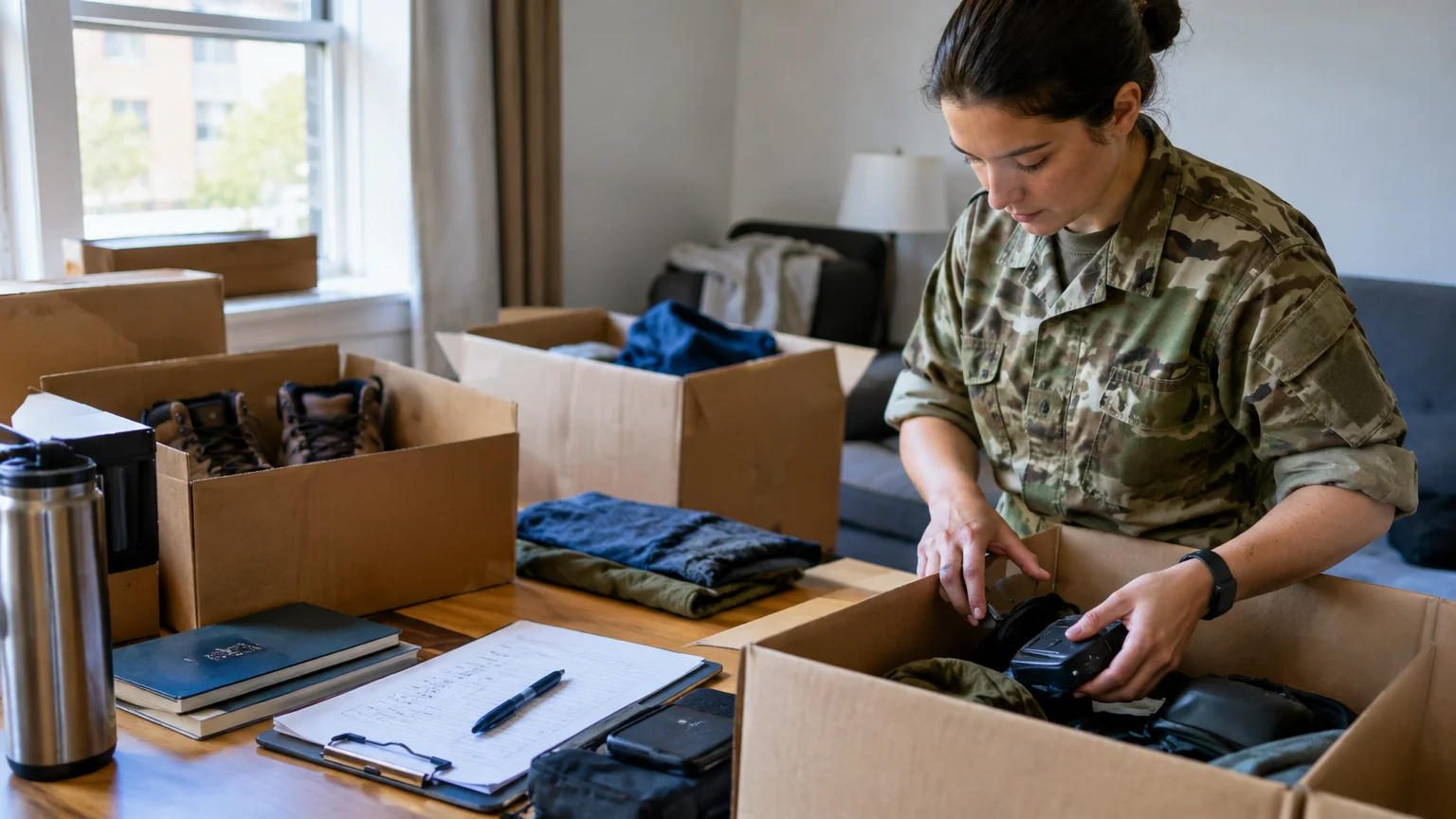
Professional gear should be sorted, counted, labeled, and recorded before the moving crew arrives. Early work helps separate official equipment from normal home items. It also gives the service member time to ask about items that may not qualify.
Creating separate inventories and labels
Start with a room-by-room review. Place possible pro gear in one area and household goods in another. Write simple descriptions such as specialty tool kit, issued protective equipment, or technical reference books.
Use labels that are easy to read. Keep a copy of the inventory with the service member, not only inside a box. Photos of open cases can show the contents before packing and help match items after delivery.
A moving team may use its own inventory system. Compare that record with the military paperwork before signing. Clear records help prevent a work kit from being treated as a box of household tools.
Gathering orders, authorizations, and supporting records
Keep orders, amendments, pro gear approvals, issue records, receipts, and old inventories together. Digital copies can help, but important records should also be available without internet access. Protect private military information and share only what the move requires.
Before packing, ask whether any item needs special handling. Heavy cases, batteries, sharp tools, controlled equipment, and fragile devices may need added instructions. Tell the crew about these items before loading starts.
How does a personally procured move affect weight allowances?
A personally procured move, or PPM, lets a service member arrange the move instead of using a government-arranged shipment. It may change the paperwork, weighing steps, and reimbursement process. It does not remove the need to follow orders or keep records.
What a PPM changes and what it does not
A PPM gives the service member more control over timing and transport. Depending on the approved plan, the service member may hire movers, rent a truck, use a moving container, or complete some work personally.
A PPM does not mean every expense or item will qualify. Get approval before moving and learn which documents are needed. The allowance still matters, and pro gear still needs the right classification.
People often ask where to place a moving container. It must be placed where local rules, property access, fire safety, and the container company’s instructions allow. A driveway, private lot, or approved storage area may work, but confirm access before delivery.
Weight tickets, receipts, and reimbursement documentation
A PPM usually needs careful records. Weight tickets must follow the required process. Receipts, contracts, rental records, and proof of payment may also be needed. Keep documents in one folder from planning through delivery.
A container move can raise extra questions about weighing and storage. Ask the transportation office how container weight will be checked. The same applies to a long-distance piano move or another specialty item. Large and fragile items need planning before the PPM begins.
How can you avoid mistakes with military move weight limits?
The best way to avoid mistakes is to confirm the rules early, separate pro gear, and remove unwanted items before packing. A short review can keep a box from going into the wrong group. It can also reduce the amount of property that must move.
Questions to confirm with the transportation office
The service member should ask:
- What is the approved household goods allowance for these orders?
- Which professional gear items qualify for separate treatment?
- How must pro gear be listed, labeled, and weighed?
- What records are required for a PPM or storage shipment?
- Which household items need special handling or cannot ship?
- What process applies if the official weight seems incorrect?
Save the answers with the move documents. Rules can change, and a past PCS may not match a current assignment.
Packing and decluttering decisions that reduce risk
Decluttering before moving can reduce weight and packing time. Donate usable items, recycle broken goods, and dispose of unsafe materials through approved local channels. Families should also choose storage space with care instead of storing every item for the long term.
A smaller shipment is easier to inspect and organize. It may also leave room for items that matter most. Youngstown Movers can help Youngstown households pack, sort, and load approved belongings while the service member manages military paperwork.
What should you do before scheduling a military move?
Before scheduling a military move, confirm the orders, allowance, pro gear rules, shipment type, and required records. The final plan should match official instructions. Advice from a moving company or friend cannot replace military guidance.
A final allowance and pro gear checklist
Use this checklist before packing day:
- Review the current orders and transportation counseling documents.
- Confirm the household goods allowance with the transportation office.
- Separate professional gear from ordinary household property.
- Create inventories, labels, photos, and supporting records.
- Remove unwanted, unsafe, restricted, or non-shippable items.
- Confirm weighing, storage, delivery, and claim procedures.
- Keep copies of every signed document and weight record.
This process helps families stay organized during a stressful time. It also gives the moving crew clear instructions for packing and loading.
When to get help with packing, loading, and transport
A service member does not need professional help for every task. The household can sort clothes, remove unwanted items, label boxes, and gather records. Family members can also pack simple, non-fragile items when the move rules allow it.
Professional help may make sense when the home has heavy furniture, stairs, fragile items, tight access, or little time. Movers can protect furniture, lift safely, pack delicate property, and manage loading. For office equipment or a piano, specialty planning is especially important.
Youngstown Movers serves families preparing for moves and nearby communities. Contact us to discuss packing, loading, and transport support for an upcoming military move.
Key takeaways
- A military move weight allowance depends on the orders and service member details.
- Professional gear must connect to official duties and follow current approval rules.
- Household goods and pro gear should have separate inventories and labels.
- PPM moves still need approval, weight records, receipts, and careful paperwork.
- The transportation office has the final answer for each allowance and shipment.
Frequently Asked Questions
Does professional gear count toward a military move allowance?
Professional gear may receive separate treatment when it is approved and properly documented. It is not automatically excluded because it is used for work. List it separately, keep supporting records, and confirm the rule with the transportation office before packing.
What happens if household goods weigh more than the approved limit?
The service member may become responsible for part of the extra transport cost. The result depends on the orders, official weight, and current rules. Review the notice, gather weight tickets, and ask the transportation office to explain the calculation.
Can a moving company decide what counts as pro gear?
No. A moving company can help identify and pack possible professional gear, but military officials decide whether the items qualify. Do not rely only on a mover’s opinion. Written guidance and approval give stronger support for the shipment record.
Does a personally procured move remove the weight limit?
No. A PPM changes how the move is arranged and documented. The service member still must follow the approved allowance and paperwork rules. Weight tickets, receipts, contracts, and proof of payment may be needed for review.
Should a service member declutter before a PCS move?
Yes. Removing unwanted, broken, unsafe, or restricted items makes the shipment easier to manage. It also lowers the chance of mixing household goods with professional gear. Dispose of items through safe, approved methods before the packing crew arrives.
Conclusion
Military moves are easier when household goods and professional gear are separated early. The military move weight allowance depends on orders, service details, move type, and current guidance. Clear inventories, approved records, and official weight tickets help prevent confusion.
A moving company can help with packing, lifting, loading, and transport, but the transportation office controls military eligibility. Families can use Youngstown Movers for practical moving support while keeping official paperwork organized. With the right questions asked early, a PCS or PPM can feel more manageable.
Contact us at Youngstown Movers to discuss support for your upcoming military move.