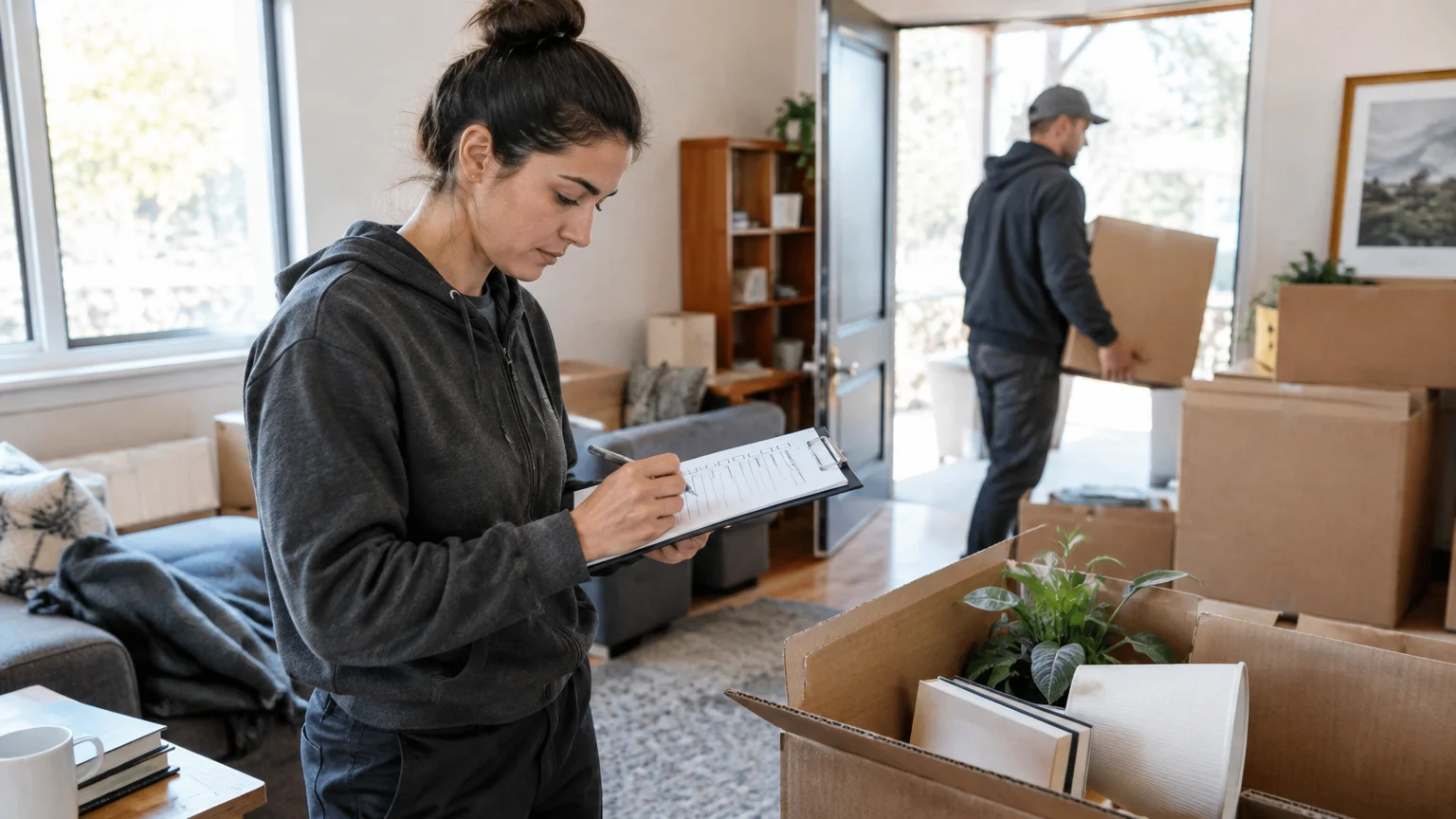
A moving checklist new home plan puts key tasks in the right order. It covers closing details, utilities, packing, access, furniture placement, and first-week needs. With a clear plan, Youngstown homeowners, renters, and business owners can protect belongings, avoid delays, and settle in with less stress.
What should you do before moving into a new house?
Before moving into a new house, confirm the closing, set up services, plan furniture placement, and update records. These steps help prevent last-minute trouble when movers arrive. A written moving checklist also shows everyone what must happen first.
How should the household confirm the move details?
Confirm the closing date, key handover plan, and move-in rules. Closing is the final step that transfers the home to the new owner. Ask when keys will be ready and whether the home will be empty when you arrive.
Arrange utilities before move-in day. This may include power, water, gas, trash service, and internet. Confirm that home insurance begins on the correct date. If a service worker needs access, plan that visit around the move.
A change-of-address list helps keep mail and records current. Update the postal service, banks, employers, schools, doctors, insurers, and subscription services. Vehicle and voter records may need updates too. A simple list can prevent missed notices after the move.
Check building rules, parking limits, gate codes, and elevator needs. These details matter in a managed community, townhome, or home on a narrow street. Share the details with Youngstown Movers early so the team can plan the visit.
How should the household plan rooms and furniture?
Measure rooms before moving day. Check doorways, halls, stairs, and tight turns as well. A sofa may fit in a room but fail to pass through the doorway. Measuring first helps prevent rushed choices and blocked paths.
A basic floor plan can show where large items should go. It does not need to be perfect. Mark beds, tables, sofas, desks, and major appliances. Place a copy near the entry so each box and item reaches the right room.
Decide what will not move. Unwanted furniture, broken items, and old papers can be donated, recycled, or discarded before packing. This cuts clutter and makes loading easier. Movers can help with furniture, but the owner should decide what stays.
Youngstown Movers can help Youngstown homeowners choose the right moving support for their home and schedule. Residential Movers may help with a full move. Packing Services may help when the household needs support before loading begins.
What should you pack and prepare before moving day?
Before moving day, pack by room, protect fragile items, label every box, and set aside first-night supplies. Keep daily needs apart from items that can remain packed. This plan also gives movers clear directions during loading and unloading.
What belongs in a first-night essentials box?
An essentials box should hold what the household needs during the first evening and morning. Keep it with the household instead of placing it among larger boxes. Each person may also need a small bag of personal items.
Useful items include:
- Toilet paper, hand soap, towels, and basic cleaning supplies
- Medicines, personal care items, and a change of clothes
- Phone chargers, snacks, water, and simple kitchen tools
- Bedding, pillows, and a night-light for each needed bedroom
- Important papers, keys, pet supplies, and basic child-care items
Keep simple tools nearby too. A screwdriver, scissors, tape, flashlight, and box cutter can help with quick jobs. Store sharp tools safely and away from children. Pets should have food, water, a leash, and a quiet place away from open doors.
How should boxes be packed and labeled?
Place heavy items in small boxes and light items in larger boxes. Wrap dishes and bowls with paper or soft packing material. Plates usually travel well on their sides, with padding between layers. Do not fill a box so tightly that items press against the top.
Mark each box with its room and a short content list. Labels on two sides help movers read them from different angles. Notes such as “open first” or “keep upright” give clear direction. Color tape can separate bedrooms, bathrooms, and shared spaces.
Fragile items need extra care. Wrap glass, artwork, mirrors, and electronics well. Place them where they will not shift. Take photos of valuable or delicate items before packing. This record can help with organization and condition checks later.
Keep hazardous materials out of normal moving boxes. Flammable liquids, some chemicals, and other restricted items may need special handling or disposal. Movers can explain what they cannot transport. Ask before packing anything that could leak, ignite, or hurt someone.
What should you check at the new house before unloading?
Before unloading begins, inspect the new house, record its condition, confirm access, and protect floors and walls. These checks take little time but can prevent confusion. They also help movers place items safely from the start.
How should the household inspect the property?
Walk through every room before boxes enter. Look for marks on floors, walls, doors, counters, and stairs. Photos with a visible date can create a clear record of the home’s condition. Confirm that promised repairs or included items are present.
Locate the main water shutoff, electrical panel, gas shutoff, and heating controls. Know how to turn off utilities during an emergency. Check smoke alarms and carbon monoxide alarms. A qualified professional should handle work involving wiring, gas, or major plumbing.
Check access before large items arrive. Open gates, unlock doors, clear halls, and move parked cars. Measure tight spots again if the home has stairs, sharp turns, or narrow entries. A clear path lowers the risk of damage and injury.
Tell the moving crew about weak steps, low ceilings, wet areas, and other hazards. Youngstown Movers can help Youngstown residents plan around access issues when details are shared early. A local team may also know common home layouts in the area.
How can the household protect floors and doorways?
Clean floor coverings, corner guards, and door protection can help prevent marks during unloading. Cover busy paths before boxes enter. Secure rugs and runners so they do not slide. Keep water and cleaning supplies close for small messes.
Use the entry area as a control point. One person can direct boxes while another checks labels. Place large furniture before small boxes fill each room. This keeps paths open and makes unpacking easier.
If the house is not ready for every item, choose a safe holding area. Keep boxes away from damp spaces, heaters, and blocked exits. A moving container should sit only where local rules, access, and ground conditions allow it. Do not block fire lanes or neighbors’ access.
Inspect furniture after it enters. Note any new mark or damage promptly and follow the moving company’s process. Clear records, calm communication, and careful placement help the day finish smoothly.
What should you do during the first week after moving in?
During the first week, unpack essential rooms, finish address updates, secure the property, and create a simple routine. The goal is not to unpack everything at once. Make the home safe, useful, and comfortable in the right order.
Which rooms should be unpacked first?
The bedroom, bathroom, and kitchen usually deserve early attention. A ready bed supports rest after a long day. A working bathroom helps everyone start the next morning. Basic kitchen items make meals easier to prepare.
Unpack one room at a time. Flatten empty boxes and move them from walkways. Remove labels as rooms become clear. Put items needing decisions in one small review area instead of spreading them through the house.
Families should keep school, work, and child-care needs easy to reach. Business owners moving into a home office should set up the desk, computer, records, and lights early. If the move involves a company or shared workspace, an Office Moving Checklist can help organize equipment and work time.
A household needing urgent help may ask about Same-Day & Last-Minute Movers. A household with heavy or awkward items may need Furniture Movers. The right service depends on the item, access, timing, and level of help needed.
What records and safety tasks come next?
Finish address updates, confirm utility accounts, and save important move papers. Update delivery instructions and tell trusted contacts about the new address. Check new keys, garage remotes, and entry codes, then store them safely.
Change or rekey the locks if you do not know who has old keys. Check that windows and outside doors close and latch well. Test smoke and carbon monoxide alarms. Replace batteries when needed and keep exits clear.
The first week is also a good time to learn the trash schedule and local rules. Note nearby urgent-care centers, grocery stores, schools, and repair services. Tenants should review lease duties and report problems through the proper process.
Review the checklist at the end of the week. Note missing items, unfinished repairs, and boxes needing later attention. This small review helps keep the move from feeling unfinished.
Key takeaways
- Confirm closing, utilities, insurance, access, and address updates first.
- Measure rooms, doors, halls, and stairs before moving large furniture.
- Pack a first-night box and label every box by room.
- Inspect the house and protect floors before unloading begins.
- Unpack bedrooms, bathrooms, and kitchens before less urgent rooms.
Frequently Asked Questions
How far ahead should a household start packing for a new house?
Start with items used less often, such as decorations, books, and seasonal gear. Daily items can stay out until closer to moving day. A written moving checklist new home plan divides the work into small tasks. It also shows when packing, cleaning, and service changes must happen.
How should dishes and bowls be packed for moving?
Wrap dishes and bowls separately with clean paper or soft packing material. Place plates on their edges, while bowls can nest with padding between them. Use a sturdy box and fill empty spaces so items cannot shift. Heavy dish boxes should stay small and easy to lift.
What affects the cost of moving a piano?
Piano moving costs depend on size, weight, stairs, distance, door access, and special equipment. A small upright is often simpler to move than a grand piano or one in a tight space. The final cost is confirmed on a quote after the mover reviews these details.
Where should a moving container be placed?
A moving container should sit on stable, level ground with enough room for delivery, loading, and pickup. It should not block fire lanes, sidewalks, driveways needed by others, or utility access. Check local rules and property limits before arranging delivery.
Conclusion
A new-house move feels easier when the household follows the work in order. First, confirm the home and service details. Next, pack with care and prepare an essentials box. Then inspect the property, protect paths, and unload by room. During the first week, focus on safety, records, and the rooms used most.
Contact us today to discuss your moving needs with Youngstown Movers.